

Because we love our Chihuahuas we want them to live long, healthy lives. So, we feed them the very best food we can find. But sometimes, nutritional deficiencies sneak up on us—especially when it comes to taurine. Taurine is an amino acid essential for heart health, vision, brain function, and the immune system. While many dogs can produce taurine on their own, some breeds and dietary factors can lead to dangerous deficiencies.
Amino acids are the basic building blocks of protein. There are 22 amino acids that are needed for proper functioning of your Chihuahua’s body. It is found in high quantities in the brain, retina, heart, and in platelets. It functions in tissues by stabilizing cell membranes and aiding the transport of potassium, sodium, calcium, and magnesium in and out of cells. Taurine helps to generate and regulate nerve impulses and supports the maintenance of normal fluid balance; it is also used by the body in visual pathways, as well as in the brain and nervous system, where it works together with glycine and GABA as a neurotransmitter.
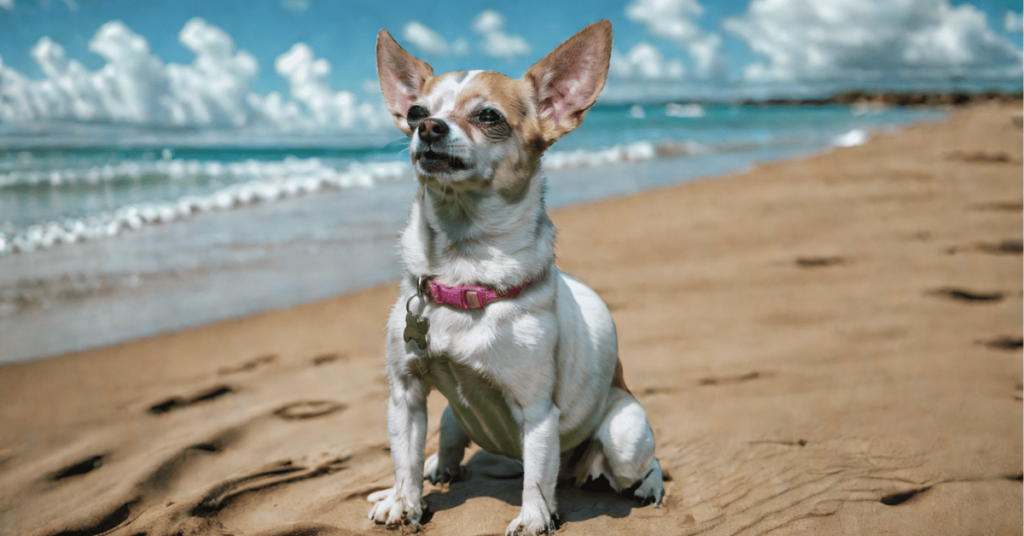
I learned the hard way when my precious Chihuahua, Pebbles was diagnosed with dilated cardiomyopathy (DCM) at only 6 years old. I was sick with worry and guilt. Was I not feeding her a good enough diet? At that time we were feeding her a premium dog food purchased at the pet store. I was careful to read the ingredients and it was rated as number one on a website that tracks dog foods and lists them from best to worst. This one was one of the best. I began some serious study and research on canine nutrition.
As a result of my research, I learned about Taurine and changed her diet. While I was doing the research, I changed my Chihuahua’s diet to NomNom. NomNom is formulated by board certified veterinary nutritionists. The cost to feed NomNom to a tiny Chihuahua is very affordable, especially if you factor in all the health benefits of feeding your Chi NomNom.
When Pebbles was diagnosed her veterinarian told me that she wasn’t going to live a long life. Because of my intense research and the change in her diet that included Turine, she lived to be 15 years old. Much older than her veterinarian predicted. Until the last month of her life, you would never have known that she was sick. She lived a normal and happy life.
But Pebbles’ story serves as an important lesson: what we feed our dogs matters more than we think. Let’s dive into what taurine is, why it’s essential, and how you can ensure your dog is getting the right amount in their diet.
what is taurine?
Taurine is a unique amino acid that plays a key role in cell function, nerve health, and heart support. Unlike most amino acids, it isn’t used to build proteins but instead helps regulate heart function, vision, and the nervous system.
Dogs naturally produce taurine from other amino acids like methionine and cysteine, but some dogs can’t synthesize enough. That’s where diet comes in—if a dog isn’t consuming enough taurine-rich foods, they could develop serious health problems over time.
I remember another case of taurine deficiency involving a Chihuahua named Lola. Her owner, Sarah, had switched her to a trendy homemade vegan diet, thinking it was a healthier alternative. Within months, Lola became lethargic, and her eyesight started declining. A trip to the vet revealed severe taurine deficiency. Once Sarah transitioned her back to a balanced, meat-based diet, Lola’s energy and health improved dramatically. These stories highlight why taurine is non-negotiable in a dog’s diet.
why do dogs need This amazing amino acid?
1. Heart Health
Taurine is essential for heart function. It regulates calcium levels in heart cells, helping the heart contract properly and maintain a normal rhythm. Deficiencies can lead to dilated cardiomyopathy (DCM), a condition where the heart becomes enlarged and weak, making it difficult to pump blood.
Pebble’s story is a real-world example of this. Before she was diagnosed, we had no idea that a taurine deficiency could contribute to heart disease. If I knew then what I know now, she would never have developed DCM in the first place!
2. Eye Health
Taurine helps maintain retinal function. Dogs with taurine deficiency may suffer from progressive retinal atrophy (PRA), which can eventually lead to blindness.
This was the case with Lola, whose vision was deteriorating before her diet was corrected. Luckily, her owner caught the problem before permanent damage occurred.

3. Brain and Nervous System Function
Taurine is vital for brain development and nerve function. Puppies need this amino acid for proper cognitive growth, and adult dogs require it to maintain muscle coordination and brain health.
4. Immune System Support
A strong immune system helps dogs fight off infections and diseases. this amino acid enhances white blood cell function and reduces inflammation, keeping your dog’s body in peak condition.
signs of taurine deficency
If a dog isn’t getting enough taurine, symptoms may include:
- Lethargy and weakness
- Vision problems or blindness
- Heart disease (DCM symptoms: coughing, fainting, difficulty breathing)
- Frequent infections or slow healing wounds
Pebble’s first symptom was coughing, which we initially dismissed as allergies. If you notice any of these signs, consult your vet immediately. A simple blood test can confirm if taurine levels are too low.
how to add to their diet
The best way to ensure your dog gets enough taurine is by feeding taurine-rich foods, such as:
- Organ meats – Heart, liver, and kidneys are loaded with taurine.
- Fish – Salmon, sardines, and tuna provide high taurine levels.
- Poultry – Chicken, turkey, and duck are great choices.
- Eggs – A nutritious addition to a taurine-rich diet.
Commercial dog food varies in taurine content, so always choose a high-quality brand with real meat as the first ingredient. Be very careful when choosing a dog food brand. It turned out that Pebbles was not the only dog eating the “high-quality” “premium” dog food that I was giving Pebbles who developed CDM.
When researching canine nutrition I found an FDA report regarding several “premium” dog foods — including the one I was feeding Pebbles at the time she was diagnosed — that showed that they most likely contributed to the development of CDM in dogs.
I had a reader, Tom, whose Min Pin, Duke, was showing signs of weakness. After reading about taurine, Tom switched Duke to a diet richer in organ meats and fish. Within a few weeks, Duke’s energy returned, proving how impactful diet changes can be.

should your chihuahua get tested for taurine levels?
Your veterinarian can do a simple CBC blood test and urinalysis. Tell him or her what you are specifically looking for and why. The cost to have this done varies greatly depending on your local area and with different veterinary clinics. However, the test is a lot less expensive than the cost of treating an illness caused by a Taurine deficiency.
A laboratory test can also be done at any Veterinary Diagnostic Lab. Test results usually take about 5-7 days to return. The reference range for whole blood normal taurine levels in dogs at these labs is 200-350 nmol/mL, with a critical level of <150 nmol/mL.
Once the results are ready, the veterinarian should be objectively able to determine whether supplementation is needed. Pets with dilated cardiomyopathy, retinal degeneration, cystinuria, seizures, or hepatitis (inflammation of the liver) may benefit from taurine supplementation.
what about taurine supplementation?
The good news is that there are no known side effects of excess taurine in dogs and the body breaks down any excess. The only bad thing about taurine is its deficiency. If you don’t feed your dog a diet that can supply enough taurine, your pet is likely to suffer from a taurine deficiency.
Pets that are at risk from taurine deficiency may benefit from taurine supplementation. Suitable daily doses would be 500 mg for small dogs, 1,000 mg for medium-sized dogs, and 2,000 mg for large breed dogs, given once daily.
But, talk to your veterinarian before giving Taurine to your Chihuahua for the correct dosage for their size and weight. Over-supplementation can cause an upset stomach.
Ensuring your dog receives adequate taurine is essential for their heart, vision, and overall health. If you're considering supplementation, here are some highly-rated, vet approved suggestions:
NOW Taurine Pure Powder
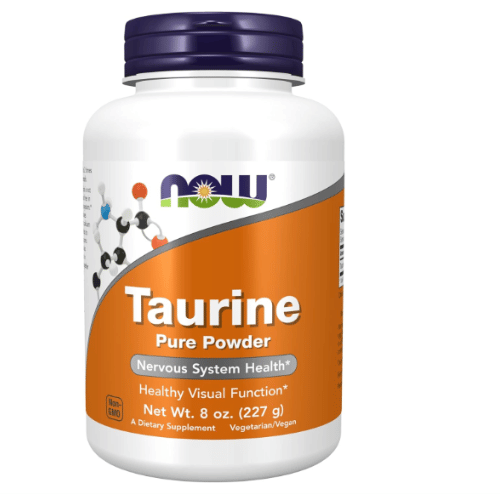
A pure powder that can be easily mixed into your dog’s food, allowing for flexible dosing as recommended by your veterinarian.
Dr. Oscar Taurine For Dogs
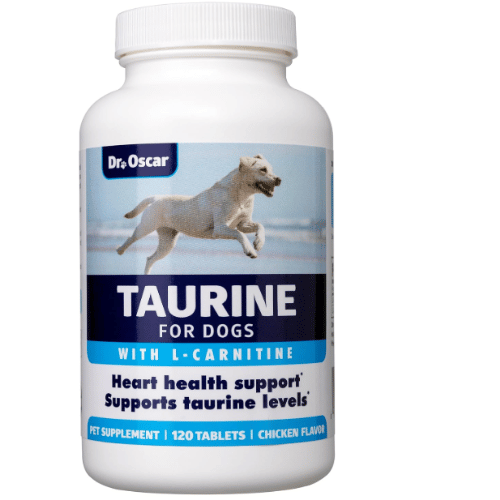
Formulated to support heart health, this supplement provides 500 mg of taurine per capsule, suitable for dogs weighing under 25 pounds.
Herbsmith Taurine Boost
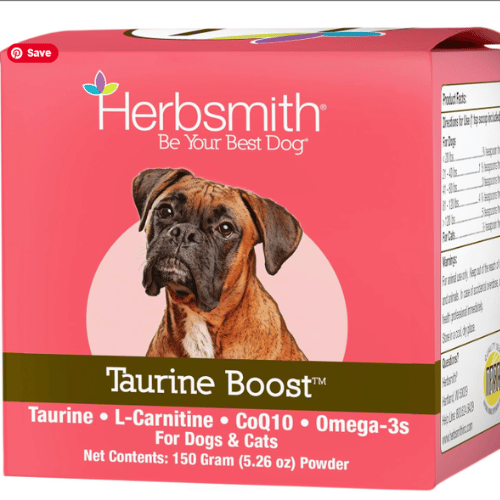
Combining taurine with other heart-supportive ingredients, this supplement is designed to promote cardiovascular health in dogs.
Lexelium Heart Support system
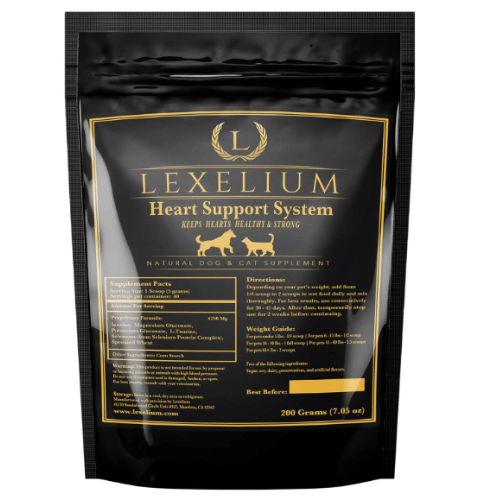
This formula includes taurine to provide cardiovascular and circulatory support, aiming to optimize heart function in dogs.

4 thoughts on “Taurine Troubles: The Hidden Deficiency That Could Harm Your Chihuahua”
Thank you so much for the info you share. I’m new to chis, I have a rescue approx 12 yrs old that came to me 5 months ago weighing 1lb.6oz. filthy, hairless,with open sores and appearing dead.
She’s now 5lbs 3oz with white hair and no sores. BUT 3 days ago while I had her in the bath she sneezed and I thought she inhaled water. 2 days later she started having problems breathing. Took her to the vet today and vet picked up a heart murmur he didn’t hear 5 months ago after xrays she has fluid around her heart and put her on meds to recheck in 2 weeks. He’s told me this maybe manageable ( after saying she may suffer heart failure). Are you familiar with anything similar? BTW…
He said this wasn’t caused by the water.
Again thanks for all you’re doing. I’ve already learned so much from you.
I am indeed familiar with it. My Pebbles who you may have read had cardiomyopathy (an enlarged heart) A heart murmur can be a symptom of cardiomyopathy. If she has fluid around her heart then she may have cardiomyopathy. The good news is that with diet and medications it can be managed. My Pebbles was diagnosed at age 7 and lived to be 15. So, although it is serious, it is not a death sentence. Thank you so much for being a reader and I wish you and your little one the best! Thank you for rescuing this little one, and thank you for taking such good care of her. Because of you she now has a chance of a long and happy life. 🙂
Good-Afternoon!
I love reading your website because it has such a wealth of information that has been soundly researched. I live in the Stewartsville area and right now my little chi is going thru some health issues. We did a Blood Count test because Simba was a little lethargic and my husband had been making him boiled chicken cut up into bite sized pieces with broccoli. Simba seemed to like this, he itched and licked his paws and pawed his ears profusely. The vet has us change his diet to a Hydrolyzed Purina Pro plan Veterinary Diets chicken Flavor. Simba does like it, but now his ear hair coming out on both ears! I always take him to the vet to have his anal glands expressed and keep up with shots and everything. I really do not have faith that they know what they are doing. Have you ever heard of this hair on ears coming off? I told the vet that his tail is rather thin but he said Simba is old 13 years and that happens to older dogs. But this business with Simbas ears is alarming to me- please any advice you have for me will be welcome. Thank you so much Leslie
Hi Leslie! I’m not vet, but I would bet my life on the fact that Simba is allergic to something. Food or environmental most likely. Chicken is the one food that dogs are most often allergic to. The first thing I would do is take him off of ANY chicken. Wait a month and see if he scratches and licks as much. He is losing hair on his ears if from all the constant scratching. I’m shocked that your vet didn’t mention an allergy. But, that is where I would start .. take him off of chicken. If the allergy turns out to be environmental it is more difficult to pinpoint the exact cause. He may need to be on Apoquel, although that should be your last resort. Taking any medication long-term has side affects.
Also, boiled chicken and broccoli is not a good diet for dogs. It is what veterinarians give to dogs that are sick because it is easy to digest. But they should not eat that alone except temporarily. They need whole grains too such as brown rice, barley, or oats. I have lots of articles here about diet. You should check them out. Go to the menu>health>nutrition. Thanks so much or the question and I hope it helps!